
Understanding Gas Refills
Common Types of Gas Cylinders
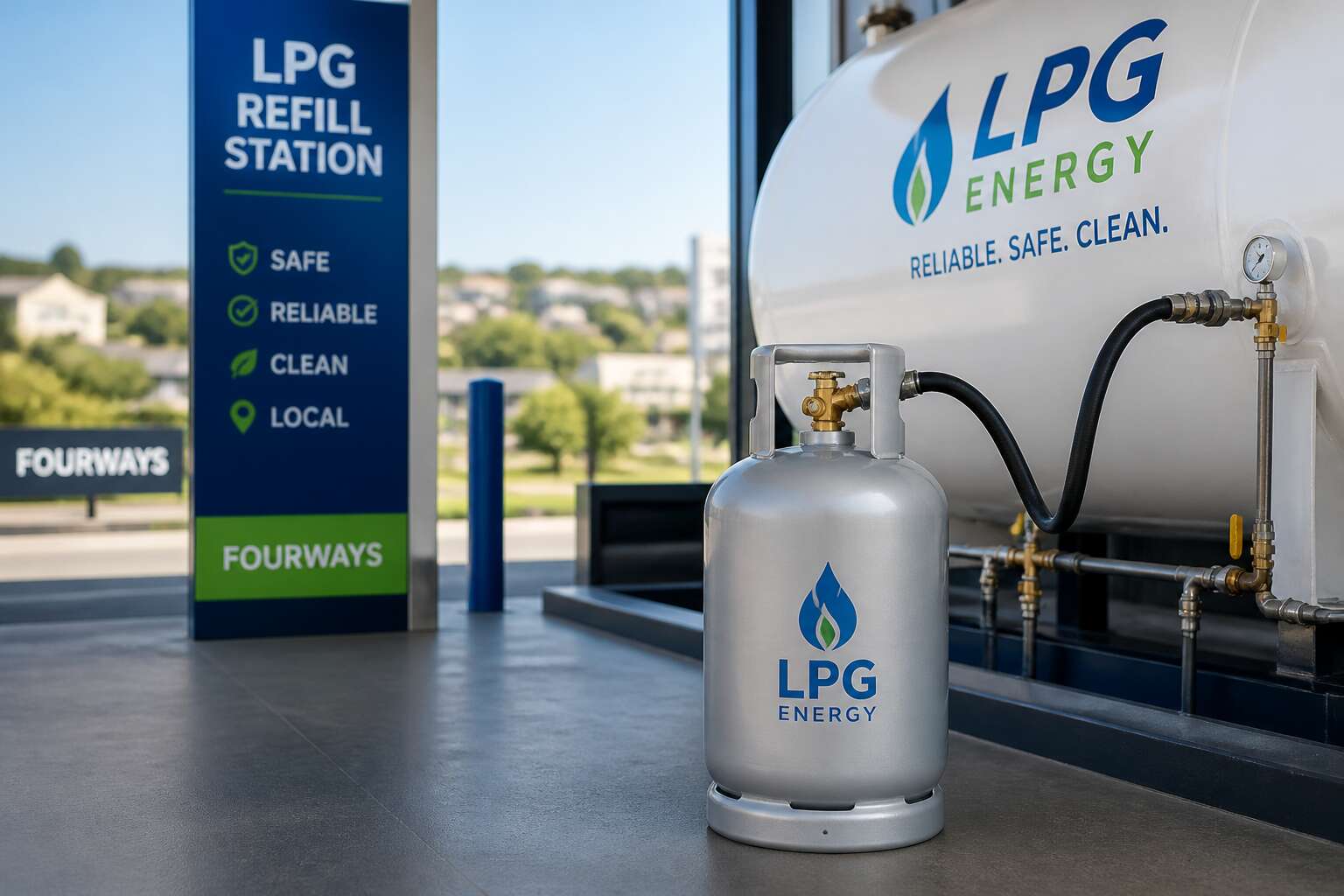
Every year, millions of South African kitchens switch from electric to flame, and the gas cylinder becomes essential. To get a gas refill Fourways, residents must understand how these tanks function. Refilling involves evacuating residual pressure, weighing the empty tank, and filling to precise levels, rather than merely pouring gas. This ensures safety and fair pricing.
Common cylinders vary by capacity and use:
- 9 kg cylinders, perfect for single burner stoves and camping.
- 14 kg cylinders, the standard for household cooking.
- 19 kg cylinders, often fitted to braai stands.
- 48 kg cylinders, reserved for industrial or heavy duty heating.
Each type uses the same valve thread, but the tare weight is critical. A gas refill Fourways provider will always check the stamped tare weight to avoid overfilling. Knowing these details turns an errand into an informed purchase!
Safety Considerations
Gas refill Fourways requires more than a dash of common sense. The moment a technician connects your cylinder, inspect for dents, rust, or a missing seal. A faulty valve can turn a simple refill into a dangerous event. Always check the rubber hose for cracks; a small fissure might spray gas without you noticing. For a safe gas refill Fourways, follow these steps:
- Check the expiry date stamped on the collar.
- Ensure the cylinder stands upright during transport.
Even after the refill, a soapy water test on the valve exposes leaks. Bubbles mean trouble, so do not ignore them. A hissing cylinder signals a problem; treat every connection as faulty until proven otherwise. That vigilance separates a smooth experience from an emergency call.
Local Convenience in Fourways
Selecting a Trusted Local Supplier
A gas cylinder does not announce when it will run dry. That unpredictability makes the choice of a gas refill Fourways supplier deeply personal. I have learned to appreciate a provider who operates within the suburb, replacing waiting with immediate recompense!
When selecting a trusted local partner, observe the small indicators:
- Speed of turnaround for swapping cylinders
- Consistent stock availability, even on weekends
- Willingness to answer queries after hours
These details separate an ordinary vendor from a dependable ally. The next arrangement becomes a quiet assurance rather than a chore. Deliberation rewards with a home where meals happen on time.
Turnaround Times and Availability
In Fourways, the interval between a cylinder running empty and a fresh one arriving is often measured in hours, not days. That speed matters when dinner preparations stall midweek, and the braai stands cold.
Local suppliers keep a rotating stock of filled cylinders. A quick call usually secures a swap within the morning. Weekend availability is the real test; many operations close early on Saturdays, leaving households stranded until Monday. The dependable ones maintain a small depot for emergencies.
- Same day exchange for standard 9kg and 19kg cylinders
- Morning deliveries scheduled before 10am for early callers
- After hours collection points for urgent situations
This proximity means a gas refill Fourways request rarely becomes a logistical puzzle. The suburb’s density supports multiple depots, which shortens travel time and keeps shelves stocked. For anyone arranging a gas refill Fourways, that local rhythm turns an empty tank into a small inconvenience rather than a full stop.
Delivery vs. Self-Collection
The Fourways delivery versus self-collection decision comes down to how you value your afternoon. A gas refill Fourways provider that offers both routes understands that not every household has the same capacity to wait, load, or plan ahead.
Delivery brings the exchange to your gate, which suits those juggling children, work, or a 19kg cylinder that does not fit easily into a sedan boot. Self-collection rewards the proactive with immediate service, particularly when the depot sits on your existing route to the shops.
The differentiating factor is communication. A provider that answers the phone and confirms your order before dispatch eliminates the guesswork entirely.
- Delivery windows that match your schedule
- A depot location that does not add detour time
- Advance confirmation so you are never left guessing
That flexibility separates a convenient arrangement from one that complicates your day.
Customer Reviews and Reputation
A missed delivery undoes a decade of good reviews in Fourways. When a neighbour vouches for a gas refill Fourways provider, that endorsement beats any advertisement. Reputation forms through small, repeated acts of reliability.
Customer reviews reveal patterns. People praise tidy cylinders and upfront pricing. They note drivers sending confirmation before leaving the depot. They highlight the silence after a broken promise. That silence is a warning sign! The most useful reviews mention response times to WhatsApp messages and whether the call centre actually answers.
What separates the best in this area:
- Drivers who call ten minutes before arrival
- Staff who explain cylinder swap policies without being asked
- Businesses that reply to negative feedback with solutions
These signals build a name that survives mistakes. I have seen one bad review change a company overnight. In Fourways, convenience depends on trust, and trust shows up in the reviews you read.
Factors Affecting Cost
Cylinder Size and Type
The price you pay for a gas refill Fourways depends on the cylinder’s size and construction. A standard 9kg cylinder costs less per refill than a 19kg, but the larger unit offers better value per kilogram over time. This distinction matters for households and small businesses alike.
Several physical attributes influence the final figure:
- Wall thickness and material density affect the tare weight, which determines how much gas fits by volume.
- Valve design, such as a POL or clip-on, can change handling costs for the supplier.
- Older cylinders may require inspection fees before refilling, adding to the total.
A lighter aluminium cylinder may carry a premium, while a standard steel unit keeps costs predictable. Your choice should reflect how often you cook or heat water. The operator’s overheads for a gas refill Fourways are embedded in these variables, so comparing cylinder specs before you order can prevent surprises at the counter.
Market Pricing Trends
Market pricing for a gas refill Fourways is not a fixed ritual. It shifts with global LPG rates, the rand’s performance, and the diesel burned by delivery trucks. When international supply tightens, the counter price moves before your kettle cools.
Several variables shape the final figure you pay per refill:
– The supplier’s storage capacity and bulk purchasing power.
– Distance from the depot to your area, since transport margins are passed on.
– Seasonal demand cycles, where winter cooking and heating inflate spot prices.
A gas refill Fourways reflects these trends honestly, though the retailer’s own overheads, from staff to safety compliance, add a small margin. Comparing prices across weeks reveals the market’s rhythm, so watch the trend lines, not just the tag.
Loyalty Programs and Discounts
The psychology of loyalty is a strange currency in the LPG market. Suppliers in Fourways have built reward structures that quietly alter the cost of every cylinder exchange. These programs are not charity. They are a trade of predictability for preference.
Volume discounts and rebate schemes reward customers who consolidate their refills with one vendor. Some programs offer tiered savings, where your price per kilogram drops as your yearly purchases rise. Others provide service credits for safety checks or priority access during winter shortages. A typical program might include:
- Accumulated points on each 9kg or 19kg refill
- A free cylinder recertification after a set number of exchanges
For the regular user, this means a gas refill Fourways is not a single transaction but a relationship. The sticker price matters, yet the effective cost, after discounts and credits, often favors the loyal customer. You pay for convenience, but you save through consistency. And when you compare total outlay, a gas refill Fourways secured through a loyalty program outperforms the lowest advertised price on most days.
Additional Fees to Watch For
Sticker shock is a gas, but not the fun kind. The advertised price for a gas refill Fourways often hides a trove of extra fees. Delivery to a security estate, cylinder cleaning, and even the grumpy technician who arrives after hours can all add up. Some suppliers charge a residual gas fee when you swap a partially used cylinder. Others slap on a card surcharge that makes you long for the days of cash. Keep an eye out for these common add-ons:
- Delivery fee by zone
- After-hours surcharge
- Cylinder recertification cost
- Card payment processing charge
Each one is a tiny ambush on your budget. Knowing them saves you from paying for hot air twice. A transparent quote beats a cheap line item every time.
Steps to a Seamless Refill Experience
Inspecting Your Cylinder Condition
The quiet ritual of checking your cylinder before a gas refill Fourways service is often overlooked. A dented collar or a valve that resists your hand reveals a history. Statistics from the LP Gas Association show that a significant number of cylinder failures stem from neglected maintenance, not manufacturing defects. This reality is avoidable with a basic routine.
Before you hand over your vessel, inspect it methodically:
- Check the base ring for rust flakes or deep dents.
- Examine the rubber O-ring for cracks or deformation.
- Verify the date stamp on the collar, which indicates the last hydrostatic test.
- Listen for a hiss at the valve when closed.
A cylinder past its test date should not be filled. Reputable suppliers in the gas refill Fourways area will refuse such units. A faulty seal can cause silent leaks that waste money and create risk. You can feel the weight difference when a cylinder is compromised, and that tactile awareness protects you from a hazardous exchange. The whole examination takes thirty seconds. It ensures you pay for a sound vessel when you choose gas refill Fourways.
Booking and Payment Options
Booking a gas refill Fourways service should not require multiple phone calls. The best suppliers offer several channels, from WhatsApp to a direct line. I prefer digital booking because it leaves a paper trail, but some customers still value human confirmation. Payment options also matter. Cash remains common, but card and instant EFT save time. Consider what suits your routine:
- Check if the supplier’s website shows live stock levels.
- Ask whether payment is due on delivery or at the office.
- Confirm if a deposit is refundable when the cylinder is returned.
These details affect how smoothly the transaction runs. A seamless refill experience in Fourways begins with clear communication and ends with a secure transaction.
Environmental Considerations
Completing a gas refill Fourways involves a few deliberate actions. The attendant should weigh your cylinder before filling and again after, confirming the exact amount. Ask to see the gauge reading. A transparent process eliminates guesswork. Some depots now offer digital invoices, which help you track usage patterns.
- Empty the cylinder fully before returning it.
- Keep the valve cap secure during travel.
- Request a refill only when the tank is low.
Environmental stewardship begins with choosing a supplier that recovers and reuses old cylinders. Proper reclamation prevents refrigerant leaks, which are potent greenhouse gases. Shorter delivery routes mean fewer emissions per refill. This is why local depots in Fourways matter. These small habits make the system cleaner for every household.
Preparing for Collection
Most delays at a gas depot happen before the cylinder reaches the counter. I have seen drivers fumble with loose regulators and unreadable tare stamps, which slows the whole queue. A seamless gas refill Fourways begins with ten minutes of preparation at home.
Detach the regulator, close the valve, and wipe the valve opening clean. If your cylinder has a plastic cap, put it back on! This keeps dust out and protects the threads during transit.
- Check the cylinder’s tare weight is clearly stamped.
- Secure the cylinder upright in your boot or using a tie-down strap.
- Have your payment card or cash ready before you exit the vehicle.
Arriving prepared means the attendant can complete your gas refill Fourways without guesswork. You save time, and the staff can handle the next customer with the same efficiency.
Frequently Asked Questions
How to Detect Gas Leaks
The unmistakable scent of rotten eggs is usually the first indicator. Suppliers add a chemical odorant to LPG so even the smallest escape catches your attention. However, not every leak announces itself that clearly. A more subtle method involves a mixture of dishwashing liquid and water applied to the valve and regulator. If bubbles appear, you have found the problem!
Here are the common signs to inspect:
- A hissing noise near the cylinder or hose
- Discoloured surfaces or dying vegetation around the storage area
- An unusually high consumption rate from your cylinder
For immediate verification, close the cylinder valve and contact a professional before your next gas refill Fourways.
Swapping vs. Refilling
Swapping a cylinder means exchanging your empty one for a full, pre-filled unit. Refilling involves having your own cylinder topped up on the spot. Which is better depends on ownership. If you rent from a brand, swapping keeps you in their custody loop. Refilling suits those who own their steel outright. Both achieve the same purpose, but paperwork and inspection habits differ.
I often see confusion around conditioning, deposits, and turnaround! The refill route requires a certified technician to evaluate your cylinder’s compliance. A swap skips that, yet you may receive a vessel with unknown history. Your gas refill Fourways experience should weigh convenience against accountability.
- Do you trust the handler’s maintenance records?
- Does your budget absorb rental deposits or replacement costs?
Honest answers shape your gas refill Fourways decision. Your priority becomes personal equipment oversight or operational ease.
Maintenance Tips for Your Cylinder
Your cylinder’s hygiene often gets ignored until that odd smell wafts from the regulator. A simple sniff test can save you from a rude awakening. For gas refill Fourways customers, maintaining your vessel is about habit, not heroics.
Check the valve seal for cracks every few weeks. Keep the exterior free of grease and grime. Store upright in a ventilated area, away from direct sunlight. If you spot rust, do not ignore it. Rust weakens the steel and invites rejection at the fill station.
Common questions we hear:
- How long does a cylinder last? A standard 9kg lasts roughly two months with average cooking use.
- Can I clean the valve? Only with a dry cloth. No oil or solvents.
- When should I inspect the hose? Replace it every two years or if you see perishing.
Those small actions keep your gas refill Fourways experience safe and straightforward. Your cylinder is not a keepsake; it is a working vessel.
Understanding Pressure and Levels
Pressure gauges on regulators measure what happens between cylinder and appliance, not the fuel left inside. A 9kg cylinder holds liquid gas that boils into vapour, so pressure stays constant until the last drops vanish. That explains why the flame only falters when the tank nears empty.
Levels vary with temperature too. A cold morning makes vapour condense, reducing pressure even with fuel available. Customers often call for gas refill Fourways suspecting a leak when the real culprit is a frosty winter day.
How do you check remaining volume? Simple tricks work:
- Run a wet hand down the cylinder wall; the surface feels cooler where gas remains.
- Rock the cylinder gently to feel liquid sloshing.
These checks save unnecessary trips. For reliable gas refill Fourways, understand your gauge, trust the cold test, and monitor flame behaviour.


0 Comments