
Understanding Large-Capacity Gas Supplies
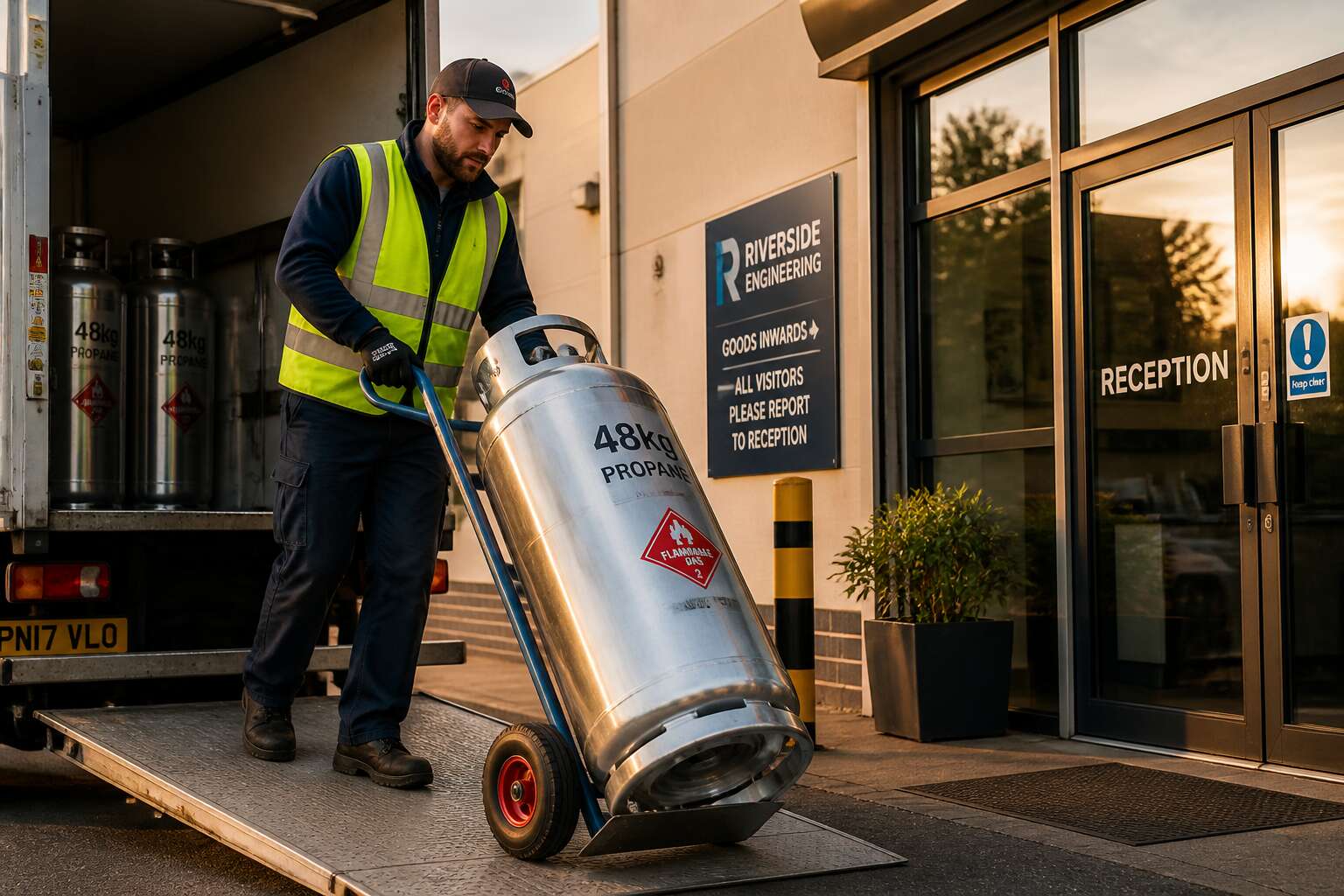
Every commercial kitchen in Johannesburg knows the moment when the flame falters. That hesitation is the difference between a successful service and a frustrated head chef. I have watched the difference a 48kg gas delivery makes. It transforms uncertainty into a reliable flow, offering enough fuel for days of high-volume cooking.
Large-capacity gas supplies demand more than just swapping a cylinder. They require proper ventilation, secure storage, and a supplier who understands local safety norms. Consider what matters most:
- Delivery schedules that match peak usage
- Cylinder certification and inspection dates
- Pressure consistency across multiple appliances
Businesses across Cape Town rely on 48kg gas delivery because it reduces frequent drop-offs. One delivery can power a bakery for a week. The larger size, however, needs deliberate planning. Weight alone becomes a factor, and appliances must be fitted for the higher flow rates.
Delivery Logistics and Ordering Process
Few things carry the gravitas of a 48kg gas delivery arriving at your commercial kitchen. This is not a casual errand; it is a logistical maneuver. The sheer weight of the cylinder demands planning, and reputable suppliers schedule these drops with surgical precision. They confirm your access route beforehand, ensuring the driver can navigate tight loading docks or suburban driveways without incident.
The ordering process itself is refreshingly straightforward. You will find that most suppliers have streamlined their systems to accommodate high-volume clients. A quick call or an online portal submission is all it takes to set the machinery in motion. For a seamless experience, follow this simple sequence:
1. Verify your current cylinder’s tare weight and fitting type.
2. Provide your exact delivery window and site contact number.
3. Confirm the payment method to avoid driver delays.
Once your order is logged, the clock starts ticking. You can expect a courtesy call thirty minutes prior to arrival, giving your team ample time to clear a safe path. It is a rhythm of efficiency that turns a heavy burden into a simple part of your workflow. The relief of a full tank, secured and hissing quietly, is the only proof you need that you chose the right partner.
Pricing Structure and Cost Factors
The price of 48kg gas delivery is not a single number. It shifts with distance, route density, and the tank’s rental status. A residential address in Johannesburg may cost less than a farm gate in the Free State. The delivery fee often hides in the per-kilogram rate.
Some suppliers bundle the 48kg gas delivery with a free cylinder swap. Others add a surcharge for weekend drops or uneven terrain. Consider these factors:
- Distance from the depot
- Access for the truck
- Payment terms and waiting time
Every rand spent is a trade. You pay for convenience, or you save by scheduling a full-load drop. There is a quiet dignity in knowing exactly what your money buys.
Safety and Legal Compliance for Large Cylinders
There is a quiet authority in the way a 48kg gas delivery arrives at your commercial kitchen or industrial site. This is not the slender, domestic cylinder you might casually swap at a hardware store. These are substantial pressure vessels, often holding enough LPG to power a busy restaurant for a week or more.
When we talk about large cylinders, we are talking about a distinct category of safety protocol. The sheer mass and stored energy demand respect. Your premises must comply with the South African National Standards, specifically SANS 10087-1, which governs the safe handling and storage of this type of gas. The delivery team should not simply drop the cylinder at the back door. They must assess the area for adequate ventilation, confirm the cylinder is upright, and check that your regulator is certified for high-volume flow.
Our drivers are trained to execute a specific sequence before any 48kg gas delivery is complete.
- Verify the cylinder’s current test date and pressure rating.
- Inspect all valves and seals for potential leaks using a calibrated sniffer.
- Confirm that the storage area is free of ignition sources and combustible materials.
These steps are not bureaucracy; they are the difference between a routine supply and a hazardous event.
The legal obligation, however, extends beyond the driver’s checklist. You are responsible for securing the cylinder against theft and tampering, which often means chaining it to a fixed wall bracket. Furthermore, the Department of Employment and Labour requires that any staff member who connects or disconnects the 48kg gas delivery unit must hold a valid Gas Installation or Gas Appliance Registration. A signed delivery note is your proof of chain of custody)Skip. It documents that the vessel was delivered in good condition entrusting you with its stewardship until the next exchange.
Comparing Delivery Providers
Prices for 48kg gas delivery can deviate by up to 30% between suppliers, a variance that pays for scrutiny. The market is a labyrinth of whispers, where the loutish peddler rubs shoulders with the polished corporate, and hesitation costs you dearly.
Some providers are masters of disguise, offering a low base rate only to levy surcharges for mileage or weekend slots. Others may tempt you with a rock-bottom quote, then deliver a cylinder that preys on your machines with slow leaks and faulty valves. Compare the full breakdown of fees before you commit, not just the headline figure.
When weighing your options, consider more than the final rand amount:
– Delivery timeframes, critical for industrial operations that cannot afford downtime.
– The provider’s reputation for reliable stock, lest you wait days on a phantom order.
– Cylinder condition, as a dented or rusted unit is a hazard waiting to happen.
An estimate that resembles a prayer is often a trap. The true cost of a cheap delivery reveals itself in lost production or a call to an emergency technician at midnight. In this trade, the unseen details determine whether your operation breathes or gasps. Approach the decision with a healthy dose of suspicion, and always inspect the valve upon arrival.

0 Comments