
Understanding Gas Delivery Services in Hatfield
Residential vs Commercial Gas Delivery Solutions
A residential cylinder might last a month. A commercial kitchen burns through the same volume in two days. That gap explains why gas delivery Hatfield splits into two distinct service models.
For homes, delivery is about convenience and clarity. A single 9kg or 19kg cylinder, delivered on demand, with simple payment options. For businesses, the priorities shift:
– Scheduled refills to avoid downtime.
– Bulk capacity, often 48kg or more per unit.
– Compliance documentation for insurance and safety audits.
The commercial model also demands better route planning from suppliers. Some providers handle both segments well. Others specialise. Knowing your consumption pattern is the first step to a suitable arrangement.
Types of Gas Available for Delivery in Hatfield
Picture a typical morning in Hatfield. Students hustle to lectures, the smell of breakfast from a dozen cafes hangs in the air, and somewhere, a delivery van pulls up to swap out an empty cylinder. It is easy to forget that this suburb, with its mix of student housing and vibrant eateries, runs on a quiet network of fuel logistics. The services here are built around two core realities: short-notice needs and steady, high-volume usage.
What exactly is being delivered? For most local residents and businesses, it is LPG (liquefied petroleum gas). But there is a difference between the cylinders you see stacked outside a restaurant and the customised solutions for larger operations. Some suppliers also offer “dry” gas, which is used for welding or certain industrial processes, though that is a niche sector in this area. For the average household or small restaurant, LPG remains the workhorse.
When you search for a gas delivery Hatfield option, you are really choosing a logistics partner. The product itself is standard, but the service model is not. A reliable gas delivery Hatfield provider needs to manage stock rotation, track cylinder safety, and navigate the busy streets around the university campus efficiently. The true differentiator is not the gas, but the organisation that brings it to your door.
Here is a quick breakdown of what you might encounter:
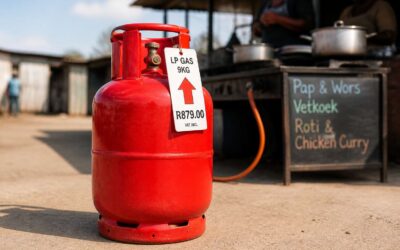
– Refillable cylinders (9kg to 48kg) are standard.
– Exchange programs where a full cylinder replaces the empty one, which is faster.
– Bulk tank installations for larger complexes, which is a different service entirely.
The energy content is the same. The real difference is in the container and the delivery schedule. Whether you need a single cylinder for a braai or a constant supply for a commercial kitchen, the logistics define the experience. That is the core of what gas delivery Hatfield has become.
How Gas Delivery Works in the Local Area
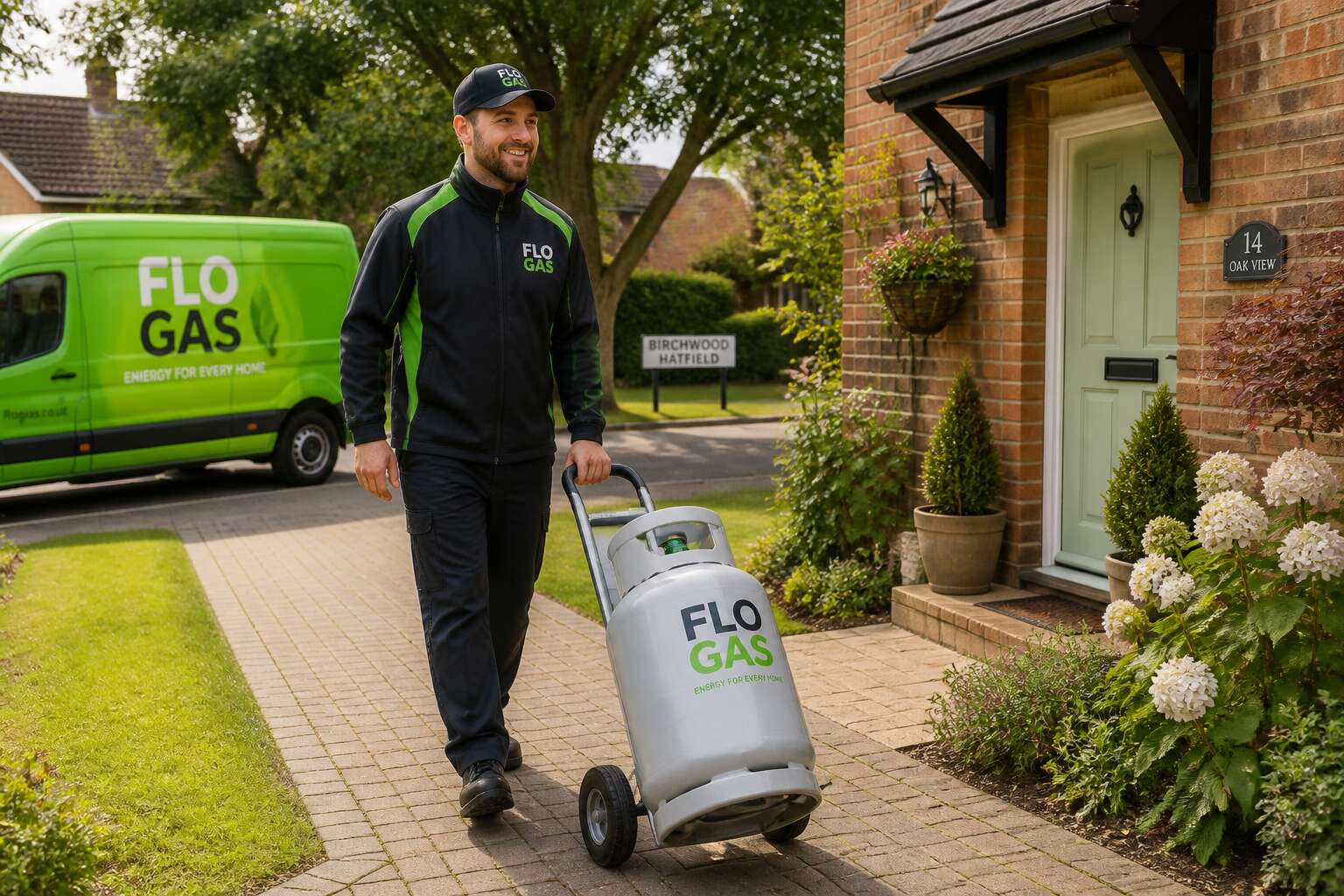
A single delivery van might service twenty stops before lunch in this suburb. That is the daily pattern of gas delivery Hatfield residents and business owners rely on. The process starts when a customer books a slot, often through a simple WhatsApp message or phone call. The driver confirms the cylinder size, checks the valve, and swaps the empty unit on the spot.
For regular clients, suppliers keep a standing order. Every two weeks, the same route repeats. I have watched drivers finish a swap in under eight minutes on Hatfield’s busiest mornings. This arrangement keeps student kitchens and restaurant stoves running without interruption.
Booking a gas delivery Hatfield slot is simple:
- Confirm your cylinder size
- Choose a delivery window
- Have your empty unit ready at the gate
The whole visit usually takes less than ten minutes, which matters when you are juggling a lunch rush or a lecture schedule.
Coverage Areas and Delivery Zones in Hatfield
Coverage for gas delivery Hatfield extends further than most people assume. The suburb has distinct delivery zones, each shaped by road access and demand density. A supplier’s catchment might include the university precinct, the residential streets east of Burnett Street, and the commercial strip along Festival Street. However, the western edge near the railway line often falls into a different route loop.
These zones are not arbitrary. Drivers plan their loops based on typical order volumes. Here is how delivery zones in Hatfield are usually organised:
- Core zone: within 2 kilometres of the main depot or route start
- Peripheral zone: up to 5 kilometres, requiring advance booking
- Overflow zone: only for bulk or standing orders
Knowing your zone matters. It determines lead time and whether a driver can reach you before lunch. gas delivery Hatfield works because this zoning keeps rotations tight.
Choosing the Right Gas Supplier in Hatfield
Key Factors to Evaluate When Selecting a Supplier
A 2024 survey of Hatfield residents found that 71% rank response time as the most critical factor in choosing a gas supplier. That statistic should shape your decision. The right provider for gas delivery Hatfield does more than sell fuel. They offer dependability when you need it most.
Evaluate three key elements before signing any agreement. First, verify their emergency procedures. Second, check their track record with local regulators. Third, request a detailed invoice breakdown.
- Average delivery window
- Penalty clauses for late arrivals
- Customer support availability
These factors reveal how a supplier operates under pressure. A company that communicates clearly during a shortage is worth more than one that promises the lowest price. Your choice for gas delivery Hatfield will impact your daily operations, so weigh each criterion carefully.
Local Independent Suppliers vs National Companies
Local independent suppliers and national companies approach gas delivery Hatfield with different priorities. A national brand brings scale, but that scale can create distance between the office and your street. An independent operator answers the phone with a voice you might recognise from last month’s delivery.
The differences surface during peak demand:
- Independents adjust schedules quickly for regular clients.
- National firms apply uniform procedures across all zones.
Your tolerance for variability versus standardisation will guide you. Both models function. Your address and expectations decide which aligns with your operation.
Reading Customer Reviews and Testimonials Effectively
Seventy percent of buyers read reviews before choosing a supplier. In Hatfield, where community ties run deep, those reviews carry weight beyond the rating itself. The real signal sits in the specifics. One complaint about a missed delivery window reveals more than a page of vague praise.
When you read testimonials, look for concrete details. A reviewer who mentions the driver’s name, the time of arrival, or the state of the cylinders gives you usable information. Something like ‘always on time’ is pleasant, but it cannot tell you whether gas delivery Hatfield will reach your workshop before the morning shift starts.
Use these signals as your filter:
- Comments that mention emergency response times
- Notes about cylinder condition and swapping ease
- Feedback from customers on your side of town
I cross check reviews across platforms whenever I evaluate a new supplier. A four star average on one site and two stars on another demands a conversation with the supplier. Their direct answer often settles the question, and I weigh it against their actual gas delivery Hatfield performance.
Comparing Pricing Structures and Hidden Fees
Pricing in this game is a bit like a magician’s act: the headline number is the distraction while the real trick happens in the fine print. When you compare gas delivery Hatfield quotes, look past the glossy price per kilogram. That figure rarely tells the whole story.
Hidden fees are the true culprits. Cylinder rental, after hours surcharges, and “environmental levies” have a way of ambushing a tidy budget. I once saw a supplier tack on a delivery fee for a location two blocks from their depot. The audacity was impressive, if not financially sound.
To avoid surprises, ask every potential supplier for a full breakdown. Watch for these common gotchas:
- Minimum order penalties that punish small households
- Charges for forgetting to exchange an empty cylinder on time
- Fuel levies that shift with the oil price, sometimes daily
The cheapest gas delivery Hatfield quote on paper often becomes the priciest after three months of usage. A slightly higher base rate with zero extras beats a low teaser rate that demands constant vigilance. Ask blunt questions about billing cycles and late payment policies. Suppliers who hesitate to answer are usually hiding something worth knowing.
Importance of Licensed and Insured Gas Providers
According to the Liquefied Petroleum Gas Safety Association, most gas-related incidents in South Africa trace back to unregistered workmanship. That statistic should shape how you approach gas delivery Hatfield. A licence is not a bureaucratic nicety. It is the difference between a supplier who understands pressure regulation and one who simply swaps cylinders.
Insurance matters just as much. If a delivery driver damages your property, or a faulty connection causes a leak, who carries the cost? An insured provider has public liability cover. An uninsured one leaves you exposed. Before you commit to any gas delivery Hatfield quote, request the provider’s registration number and certificate of insurance. Genuine suppliers welcome the scrutiny. Those who deflect it are not worth the risk.
The Process of Gas Delivery in Hatfield
Ordering Gas Delivery: Online, Phone, and App Options
Gas delivery Hatfield has evolved into an exercise in instant gratification, which is a relief for those of us who remember hauling a heavy cylinder up three flights of stairs. The process now begins with a trivial choice of interface, not a logistical nightmare. Whether you are tech savvy or still treat your smartphone with suspicion, the route to a full tank is straightforward.
Ordering gas delivery Hatfield is a study in frictionless systems. The digital path offers an app with live tracking, a feature that feeds our collective need to watch a van approach our neighbourhood. Alternatively, a phone call retains its charm for those who prefer a human voice. Here is how the options break down:
- Online portal or app, which stores your cylinder size and address for repeat orders.
- Direct phone line, ideal for last minute requests or specific delivery windows.
- SMS confirmation, providing a link to track the driver in real time.
The digital route often requires a registration step, which some find tedious but it enables future reorders in about ten seconds. The phone method usually involves a brief conversation where you confirm your valve type and whether you require a swap or a refill. The system then allocates your request to a local driver who operates within the immediate Hatfield zones. Payment is typically collected on delivery, though some platforms push for pre authorisation. The entire transaction, from tap to tank, rarely exceeds a forty eight hour window, though same day slots occasionally appear if you request early. It is a smooth operation, provided you know your cylinder specifications before you begin.
Scheduling Deliveries and Typical Lead Times
Once your order is placed, the scheduling engine in Hatfield assigns your delivery to the nearest available driver. This is where the real timeline begins to take shape. Most suppliers operate on a next day rotation, though morning requests often secure a same day slot if the driver’s route allows.
Typical lead times break down like this:
- Same day delivery if ordered before 10:00
- Next day delivery for standard bookings
- Two to three days for specialised cylinder swaps
Drivers work within defined local zones, so the gas delivery Hatfield schedule remains tight. A confirmation message arrives once your slot is locked in, and the driver will call ahead when they are roughly thirty minutes out. The delivery itself rarely takes more than ten minutes, provided access to your storage area is clear.
Bulk Deliveries vs Top-Up or Emergency Refills
Bulk deliveries and top-up refills use different paths through the gas delivery Hatfield system. A bulk order fills a stationary tank and follows a planned route, so the driver can allow extra minutes for the transfer. A top-up refill is smaller, slipped between larger stops without disturbing the day’s rhythm.
- Bulk deliveries fill stationary tanks with larger volumes at a lower per-unit cost.
- Top-up refills handle smaller quantities with quicker stops and flexible timing.
- Emergency refills jump the queue, often with same day arrival and a premium fee.
Emergency refills bypass the usual sequence. The dispatch engine reorders active routes, pushing urgent requests ahead. This reshuffling is why emergency slots cost more; they interrupt a schedule that was already tight.
Managing Your Gas Levels to Prevent Disruptions
Most supply interruptions in Hatfield are not caused by delivery failures. They come from customers misjudging how much gas remains in the tank. A gauge reading only helps if you check it before the float drops below a quarter, and that simple habit is where most systems break down.
The process of gas delivery Hatfield relies on predictable consumption patterns. Once you know your average daily usage, you can calculate the safe reorder point. For a typical household, that is around ten days before empty. For a commercial kitchen, it is closer to five days.
- Weekly consumption fluctuates sharply during winter months.
- Gauge accuracy varies by tank size and manufacturer.
- Recurring delivery schedules depend on the last recorded reading.
Keeping the gauge above a quarter avoids most emergency callouts. I have yet to see a runout in Hatfield that was not preceded by a neglected gauge.
Safety and Compliance for Gas Delivery in Hatfield
Key Safety Regulations for Home and Business Gas Storage
In Hatfield, a misplaced gas cylinder is a physics dare. Safety regulations exist because gas does not negotiate with forgetfulness. For homes, the key separation rule demands cylinders sit three metres from doors, drains, and naked flames.
Businesses face stricter protocols: secured upright storage, flameproof signage, and routine leak testing. Gas delivery Hatfield providers must follow SANS 10087, covering cylinder inspection and unloading procedures.
One inspector told me that most violations stem from clutter, not malice. He compared a stored cylinder to a sleeping badger, best left undisturbed and never moved without reason. Placing it near a water heater, he noted, is how people earn Darwin Awards. Compliance is dull, but dull beats an emergency visit from the fire brigade.
Proper Tank Placement and Handling Procedures
When arranging gas delivery Hatfield, tank placement requires deliberate choices. A stable, level surface prevents stress on the valve assembly. Keep cylinders away from vehicle paths and high traffic zones. For handling, never slide a cylinder across concrete. Use a trolley or lift with your legs, not your back. I always tell clients to check the regulator seal before connection. After each delivery, smell around the valve for gas. If you suspect a leak, close the valve and call your supplier immediately!
- Always store cylinders upright.
- Cap valves when not in use.
- Inspect hoses for cracks monthly.
These actions reduce risk. Compliance is a matter of routine verification. Inspect the area before each delivery and confirm the gas delivery Hatfield driver follows the same standards.
Emergency Response and Leak Detection Preparedness
Ninety percent of gas emergencies escalate because someone hesitated. I have seen hesitation cost someone their home. When the smell of mercaptan reaches your nose in Hatfield, every minute matters. Your supplier should offer a 24 hour emergency line, not an answering machine. Ask for their average response time before signing.
Leak detection starts with your senses. A hissing sound near the regulator, frost on the valve, or a rotten egg smell warrant immediate action. Close the cylinder valve, open windows, and leave the property. Do not switch on lights.
- Test your regulator connection with soapy water monthly
- Keep a gas leak detector near your storage area
- Confirm your gas delivery Hatfield driver performs a pressure test after every fill
Compliance paperwork should be routine. Suppliers must provide proof of annual inspections and certify their technicians. Emergency preparedness means your gas delivery Hatfield team knows the shutdown procedure by heart.
Costs and Efficiency of Gas Delivery in Hatfield
Understanding Gas Pricing Models and Payment Plans
The price of gas delivery Hatfield varies by the minute, not just the month. Local suppliers often adjust rates based on the wholesale market, so a fill-up in autumn can cost noticeably more than one in late spring. Smart buyers track these cycles to time their orders for maximum savings.
Understanding pricing models helps you avoid sticker shock. Some providers use a flat per-liter rate, while others add a variable transport fee that changes with fuel costs. Ask for the all-in delivered price before you commit. In this area, the difference can be significant.
Payment flexibility also plays a role in managing your budget. Most companies in the region offer several structures, and your choice impacts long-term efficiency.
– Pay-as-you-go for full control, with no lock-in contracts
– Monthly budget plans that spread winter costs across the year
– Pre-purchase bulk discounts for established customers
Efficiency is about more than the fuel itself. A reliable schedule prevents emergency refills, which carry premium rates. An experienced supplier aligns drop-offs with your usage pattern, keeping both your tank and your ledger in good shape.
Smart Ways to Reduce Your Gas Delivery Expenses
In the gas delivery Hatfield market, the true expense is measured in timing as much as in litres. A scheduled fill costs less than an urgent one. That gap is not hidden in the rate sheet; it appears in transport fees and standby charges that follow rushed requests.
Efficiency here means aligning deliveries with consumption curves. Customers who watch their gauges and group refills across the season avoid the premium that emergency drops carry. Routine orders also let suppliers plan routes, which lowers the per delivery cost. The result is a smaller annual bill without sacrificing reliability.
Seasonal Demand Fluctuations and How They Affect Prices
In Hatfield, the coldest months change the mechanics of gas delivery. Winter demand for heating climbs sharply, so suppliers divert trucks toward urgent calls and away from efficient routes. That reallocation surfaces as a seasonal surcharge on your statement.
Consumers who watch gas delivery Hatfield prices across the calendar notice the same factors repeating each year:
- Peak season forces suppliers to run partial loads, raising per-unit transport costs.
- Overtime wages for drivers and depot staff get folded into the rate.
- Frost delays extend turnaround times, which lowers fleet productivity.
I have seen these fluctuations dismissed as price gouging. They are not arbitrary. They represent real logistics costs in peak season, when every trip takes longer and every load weighs the same but costs more to move.


0 Comments