
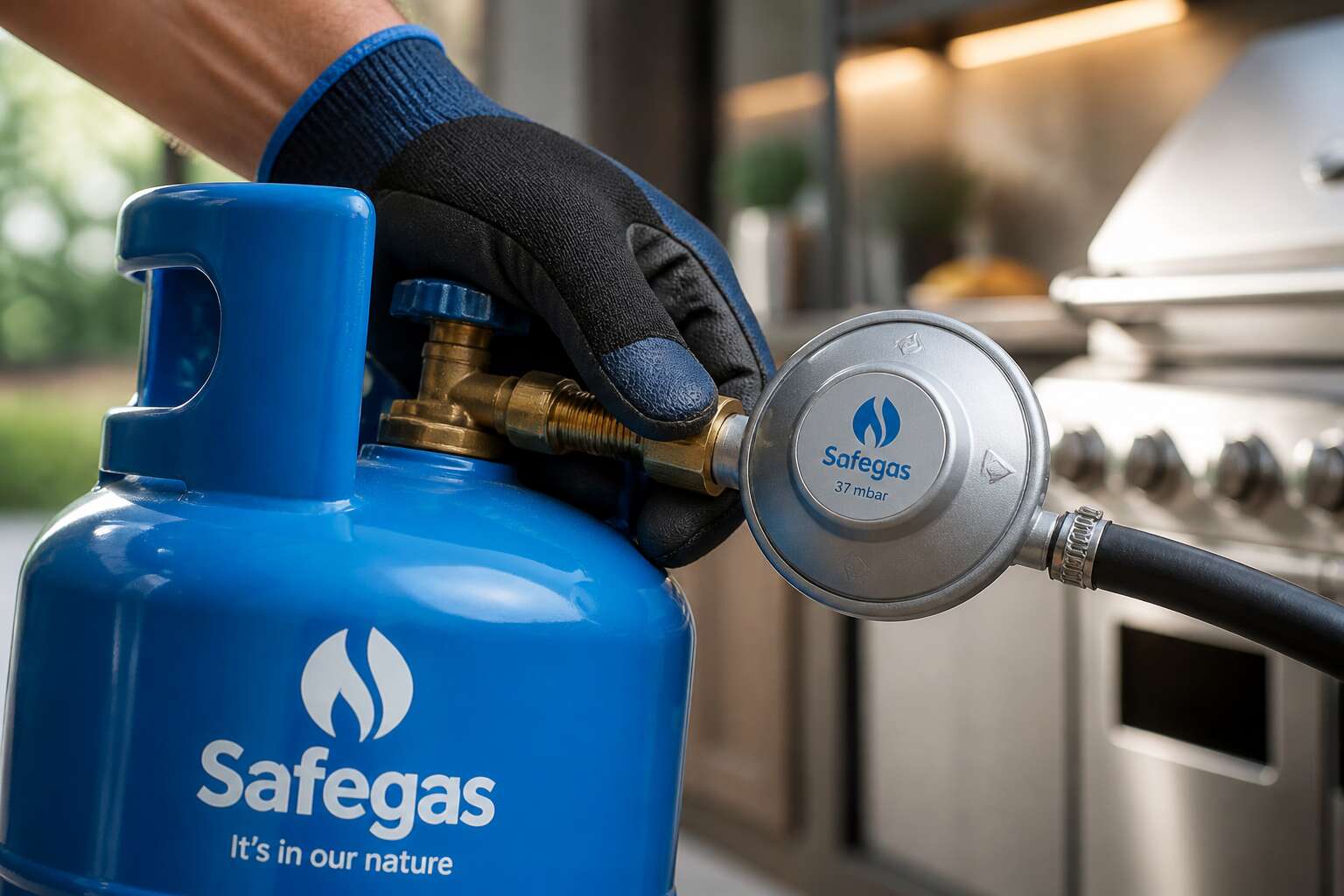
Understanding the Gas Bottle Swap Process
Every year, South Africans swap millions of gas cylinders, yet most never stop to appreciate the quiet mechanics behind the ritual. I watched a Safegas cylinder exchange unfold at a depot in Joburg, and it felt like a well rehearsed dance.
The process is refreshingly straightforward. You arrive with an empty bottle, a technician inspects the valve and seals, then hands you a full cylinder on the spot. No waiting for refills, no hidden charges.
- Your old bottle is weighed to confirm it is empty.
- Safety checks happen before the swap.
- You pay only for the gas content.
That final point matters. With Safegas cylinder exchange, you own the steel casing but purchase the energy inside. It is a system built on mutual trust and precise logistics, keeping your braai powered exactly when you need it.
Safety Certifications and Compliance Standards
Safety is a promise we make before anyone asks. The Safegas cylinder exchange carries that weight. Every cylinder passes through documented checks that verify structural soundness, valve function, and hydrostatic test dates. These are not formalities. They are the difference between certainty and doubt.
Certification bodies demand proof, not intentions. Compliance standards exist to remove guesswork from a transaction involving flammable gas under pressure. For the customer, the result is quiet confidence. For us, it is a recurring obligation! That obligation shapes how we handle every returned cylinder. It shapes how we prepare every replacement.
The relevant standards cover:
- Visual inspection for dents and corrosion
- Verification of current test stamps
- Valve leak checks under pressure
This is what makes trust possible.
Pricing Models, Deposits, and Hidden Fees
The first time I exchanged a gas cylinder, the deposit confused me. I paid R200 without understanding if it would ever return. That confusion is common with a Safegas cylinder exchange.
Pricing models differ across outlets. Some charge a flat rate for the refill and then add the deposit on top. Others bundle everything into one figure, which conceals the real breakdown. You must ask three questions before parting with your cash.
- What exactly is the deposit amount?
- Is it refunded in full when I return the cylinder?
- Does the quoted price include any handling or delivery fee?
Hidden fees often appear at the till. Late returns can trigger penalties, and damaged cylinders may void your deposit entirely. Read the receipt before you tap your card, and ask about every line item. That is the only way to avoid surprises.
Finding Authorised Swap Locations and Services
In the dusty backroads of Mpumalanga, I learned the hard way that not every gas swap is a safe swap. After three failed refills, I discovered the official Safegas cylinder exchange protocol. It changed my whole week.
The trick is knowing where the authorised swap locations hide. They are often tucked inside hardware stores or small petrol stations, not always visible from the main road. I check the Safegas website first, then phone ahead.
- Search for the nearest participating outlet via the Safegas locator tool.
- Confirm the outlet displays the official signage.
- Inspect the replacement cylinder’s seal before you hand over your empty one.
Once you find a trusted spot, the exchange takes two minutes. No waiting for a delivery. No guessing about gas quality. Just a straightforward swap that keeps your flame roaring. That certainty is worth every rand.
A Practical Inspection Checklist Before Every Swap
I have swapped gas cylinders for years, and I still find dents I almost missed. A quick visual once-over takes thirty seconds, yet most people skip it entirely. Before you hand over your empty unit at a Safegas cylinder exchange, give it a proper look.
Check the collar for rust or deep corrosion. That metal takes a beating. Run your hand along the body for bulges, which signal internal weakness. Inspect the valve for cracks or oil residue. A damaged valve is a leak waiting to happen.
- Shake the cylinder gently. Sloshing liquid means the gas is nearly gone!
- Look at the test date stamp. Outdated cylinders should raise suspicion.
- Smell around the valve. Any gas odour means do not swap it, report it.
This routine turns a mundane errand into a safety ritual. Your careful eyes protect everyone downstream.
Common Mistakes Consumers Make During a Swap
A cylinder exchange should take five minutes. In South Africa, that five minutes is where many consumers make avoidable errors. Safegas cylinder exchange is quick, but haste introduces quiet mistakes. Some people leave old cylinders upside down, and residual gas leaks out without warning. Others pick the first refurbished bottle and ignore the rubber valve seal, risking a slow hiss of gas before they even leave the depot.
Common oversights include:
– Forgetting to close the regulator before unhooking the hose
– Ignoring the test date stamped on the cylinder neck
– Placing a swapped cylinder in direct sunlight for hours
Each mistake costs time and patience. The exchange itself remains simple, but simplicity encourages carelessness. The Safegas cylinder exchange rewards attention, not speed.
0 Comments